
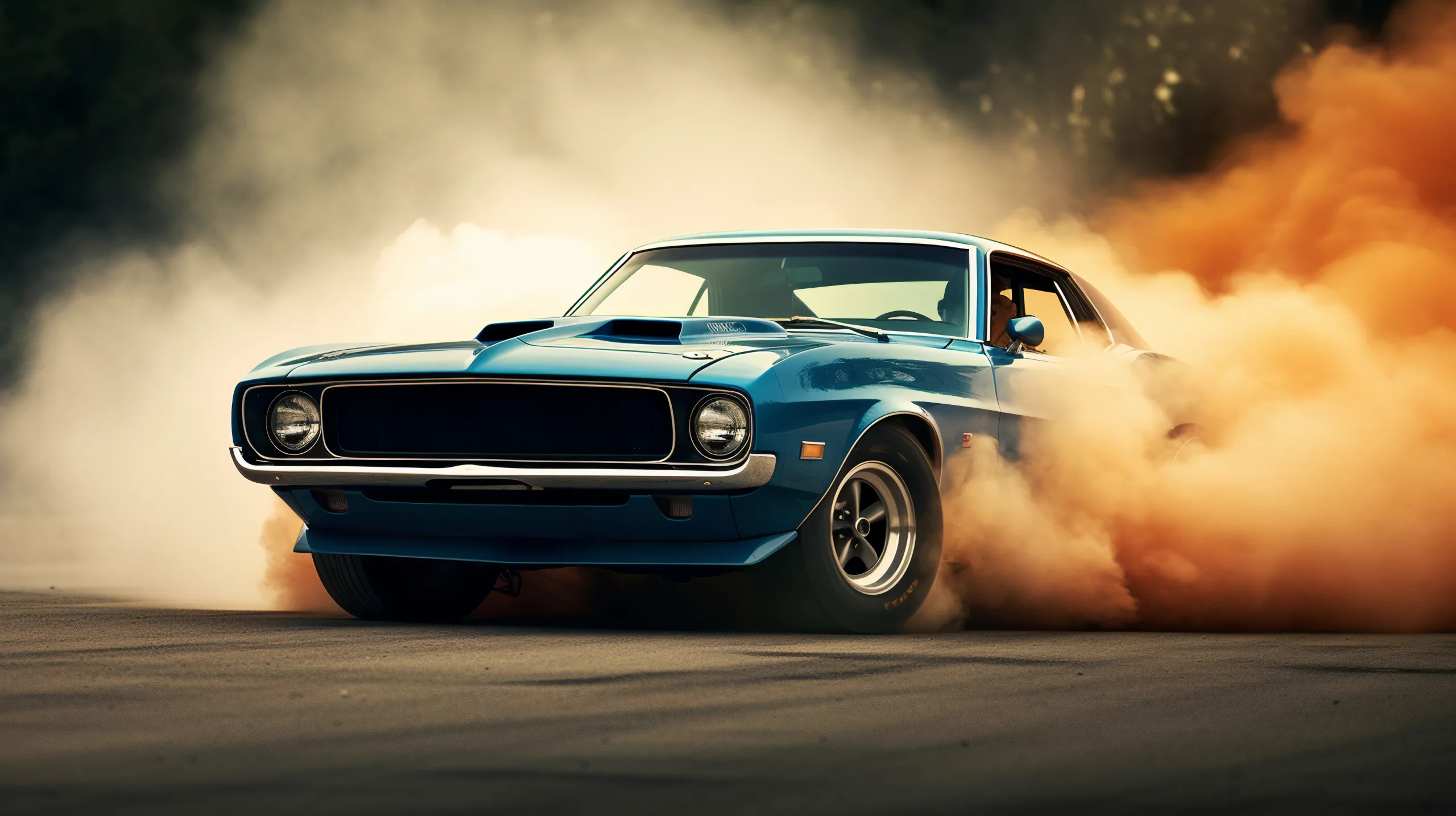
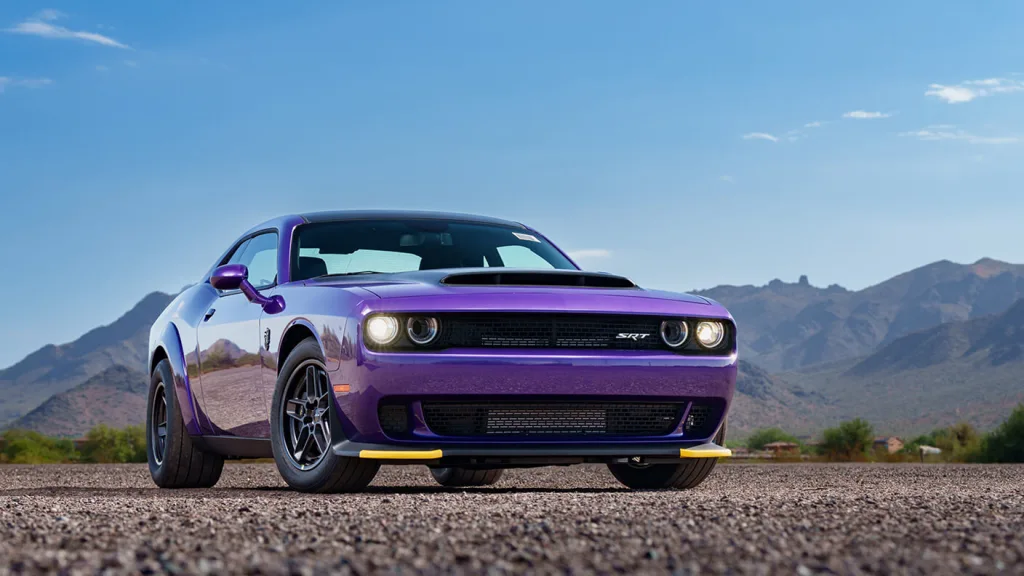
The Dodge Challenger SRT Demon stands as one of the most extreme production muscle cars ever built. Designed with a singular focus on straight-line performance, the Demon pushed the boundaries of what a factory-built, street-legal car could achieve. More than just a high-horsepower variant of the Challenger, the Demon became a symbol of Dodge’s unapologetic approach to performance—loud, aggressive, and engineered to dominate the drag strip.
Origins and Purpose
Unveiled in 2017 for the 2018 model year, the Challenger SRT Demon was developed as a limited-production vehicle aimed squarely at quarter-mile supremacy. Unlike many performance cars that balance handling, comfort, and speed, the Demon was purpose-built for drag racing. Dodge engineers stripped away unnecessary weight, reworked the powertrain, and introduced innovative drag-specific technologies rarely seen in production cars.
The result was not just a faster Challenger, but a car that redefined expectations for factory muscle cars.
Engine and Performance of hellcat demon
At the heart of the Hellcat Demon lies a supercharged 6.2-liter HEMI V8, heavily upgraded from the already formidable Hellcat engine. The Demon features a larger supercharger, strengthened internal components, and a high-flow induction system. When running on 100+ octane race fuel, the engine produces an astonishing 840 horsepower and 770 lb-ft of torque, making it the most powerful V8 ever offered in a production car at the time.
This immense power translates into staggering performance figures:
- 0–60 mph: As quick as 2.3 seconds (under optimal conditions)
- Quarter-mile: 9.65 seconds at 140 mph
- Wheel-lifting launches: One of the first production cars certified by the NHRA for lifting its front wheels
These numbers cemented the Demon’s reputation as a drag strip monster straight from the showroom.
Drag-Focused Engineering
What truly set the Demon apart was its specialized engineering. Dodge introduced several firsts for a production vehicle, including:
- TransBrake: A drag racing feature that locks the transmission to allow maximum torque at launch
- Torque Reserve: Stores boost pressure before launch for instant acceleration
- After-Run Chiller: Uses the air conditioning system to cool the supercharger after hard runs
- Line Lock: Allows the front brakes to lock independently for burnouts
Additionally, the Demon was the first production car to come standard with drag radials, providing exceptional grip during launches.
Weight Reduction and Design
To maximize straight-line speed, Dodge aggressively reduced weight. The Demon comes from the factory with a single driver’s seat; passenger and rear seats were optional additions. Lightweight components, reduced sound insulation, and minimalist interior features helped shed over 200 pounds compared to a standard Hellcat.
Visually, the Demon is unmistakable. A massive hood scoop—the largest ever fitted to a production car—feeds cool air directly into the supercharger. Wide fender flares accommodate the drag tires, while subtle Demon badging and aggressive styling signal the car’s purpose.
Limited Production and Collectibility
Dodge limited production of the Challenger SRT Demon to 3,300 units, with 3,000 allocated to the United States and 300 to Canada. Each car was individually numbered, enhancing its exclusivity and appeal among collectors.
Buyers also received the legendary “Demon Crate,” a toolkit that included performance parts, a torque wrench, tire pressure gauge, and a detailed guide for track use. This unique package reinforced the Demon’s identity as a serious performance machine rather than a mere showpiece.
Ownership Experience
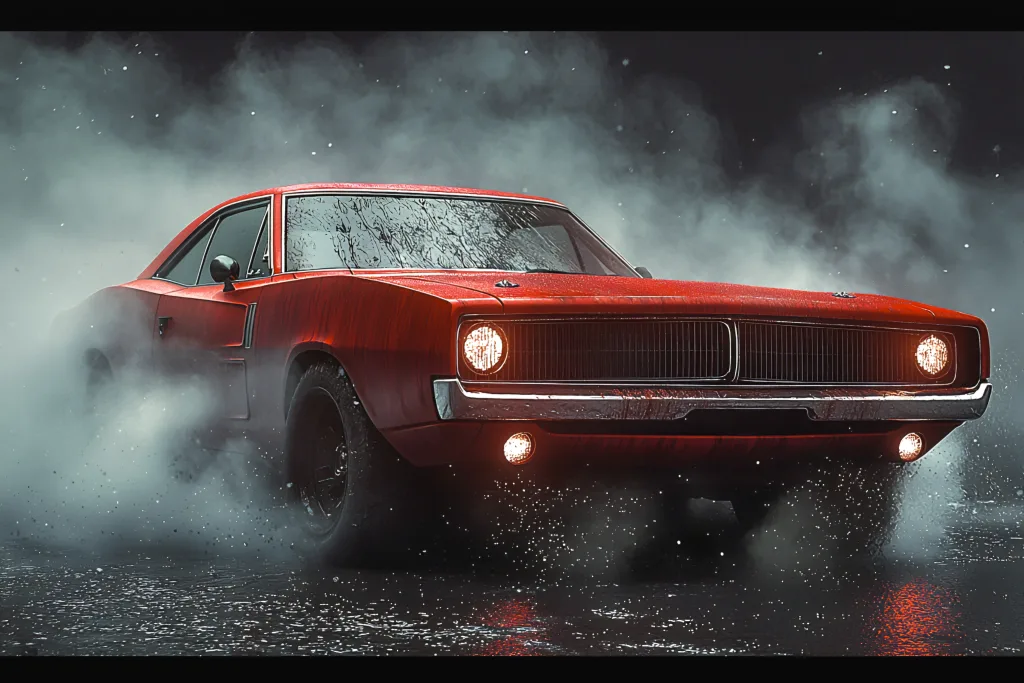
Owning a Dodge Challenger SRT Demon is unlike owning a typical performance car. While it is street-legal, the Demon is unapologetically biased toward drag racing. Daily driving is possible, but the stiff suspension setup, wide drag tires, and aggressive gearing constantly remind the driver that this car was born for the strip, not city traffic.
Maintenance and fuel requirements also reflect its extreme nature. To achieve maximum output, owners must use high-octane or race fuel, and the massive supercharger demands attentive upkeep. However, for enthusiasts, these compromises are part of the appeal. The Demon offers an experience that feels raw, mechanical, and thrilling—qualities increasingly rare in modern vehicles.
Cultural Significance of hellcat demon
The Hellcat Demon quickly transcended the automotive world and became a pop-culture icon. Its outrageous power figures, wheel-lifting launches, and bold marketing campaigns made headlines far beyond car enthusiast circles. Videos of Demons dominating drag strips and humiliating exotic supercars went viral, reinforcing Dodge’s image as a brand willing to push boundaries.
The Demon also reignited interest in American muscle cars at a time when many believed the era was fading. It proved that innovation and excitement could still exist within the framework of traditional V8-powered vehicles.
Comparisons to the Hellcat and Rivals
While the standard Hellcat is already an exceptionally powerful muscle car, the Demon exists on a different level. The Hellcat is designed as a balanced high-performance coupe suitable for street and track use, whereas the Demon sacrifices versatility for maximum straight-line speed.
Compared to rivals such as the Chevrolet Camaro ZL1 and Ford Mustang Shelby GT500, the Demon stands apart due to its singular focus. Rather than competing on lap times or cornering ability, it dominates in quarter-mile performance, carving out a unique niche with virtually no direct competitors.
Collectibility and Market Value
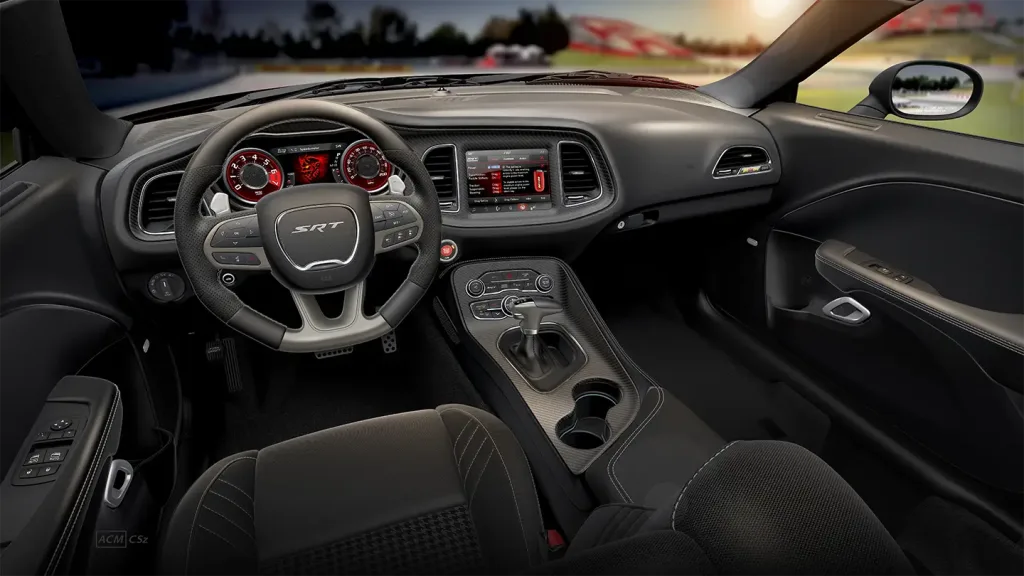
Since production ended, the value of the Challenger SRT Demon has steadily increased. Well-preserved examples, especially those with low mileage and complete Demon Crates, command premium prices on the collector market. Special color options and rare configurations further enhance desirability.
As the automotive industry shifts toward electrification, the Demon’s appeal as a last-of-its-kind, extreme internal combustion muscle car continues to grow. Many collectors view it as a future classic whose significance will only increase over time.
Legacy and Impact
The Hellcat Demon left a lasting mark on the automotive world. It demonstrated that traditional American muscle cars could compete with—and even outperform—far more expensive supercars in straight-line acceleration. It also showcased Dodge’s commitment to catering directly to enthusiasts, embracing excess rather than restraint.
In later years, Dodge built upon this legacy with even more extreme variants, but the original Demon remains iconic. It represents a high-water mark for internal combustion muscle cars, arriving just as the industry began shifting toward electrification.
Conclusion
The Dodge Challenger SRT Demon is more than just a powerful car—it is a statement. With its brutal acceleration, drag-focused technology, limited production, and cultural impact, it captured the imagination of car enthusiasts worldwide. As an embodiment of raw American horsepower, the Demon will be remembered as one of the boldest and most outrageous muscle cars ever to roll off a factory line.
For many, the Hellcat Demon is not just a vehicle, but a legend born of tire smoke, supercharged fury, and unapologetic performance.